Design that moves people.
Hi, I am Avishek Nayak, with 4 years of experience that began in a UX Design studio, where I built a strong foundation in design fundamentals, design systems, prototyping and B2B work. Today I focus on solving product problems as a Product Designer.
Skills because it matters.
Skills that attracts businesses & ROI for growth.
Started my career in a design studio.
From a design studio, to a classroom, to leading product decisions.
Multidisciplinary designer, which makes me eligible to work in the different environment without any effort
What is my design process?
Design process always starts with asking right questions to the right stakeholders & decision maker.
It’s never about designing eye catchy screens if it adds friction to the user’s path to the business’s primary feature.
To build something simple, designers and developers need to go hand-in-hand process understanding the outcome even before starting anything.
A failed user is not just a failed business but a failed system which user failed to adopt.
The design first approach makes any product tangible, easier to build, adoption rate higher.
Design Learnings from experience.
Strong Opinions, Design Thoughts, Decisions, Human Psychology; anything you think off, I write about it.
The community crafted for 1% designers.
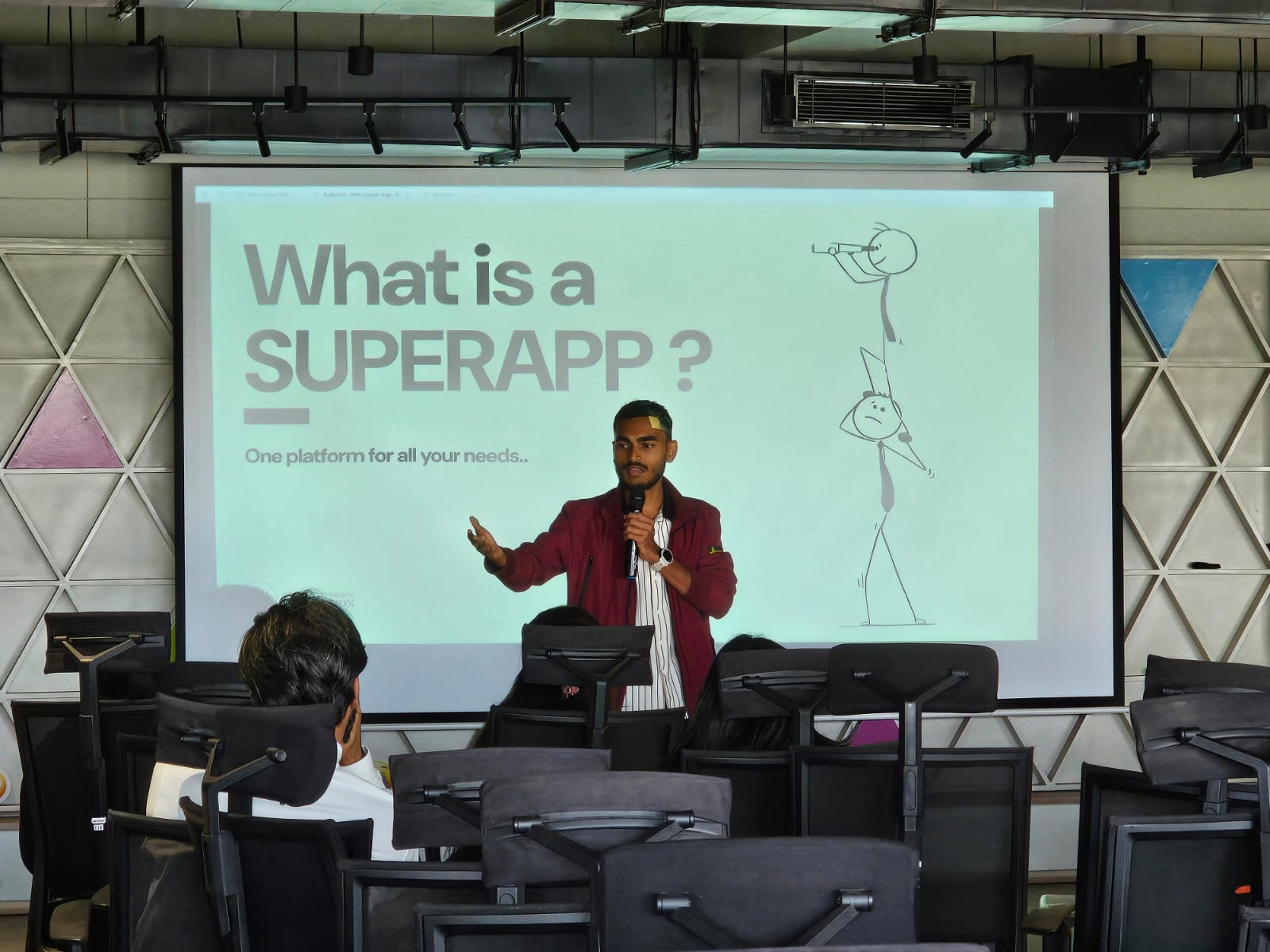
Community sessions I’ve organised and facilitated to grow the design culture around me.
The product for wannabe superhumans.
Only community that athletes need now. Enter into the events, earn rewards and points, get access to invite-only community.
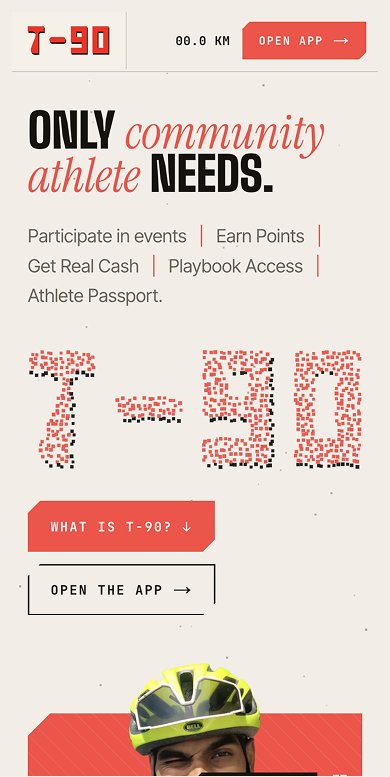
- Enter challenges, get paid in cash !
- Earn Rewards & ws-points
- Exclusive t-90.club Passport*
- Race day support & Athlete Guide
- Achieve Score 90
My side quests - be a superhuman.
The core principle of design learnings is to observe and being an endurance athlete is a greater way to achieve that.